What is Mental Training?
12/3/20252 min read
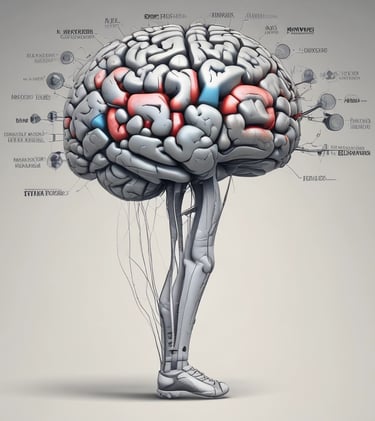
Mental training is often misunderstood. Many people still associate it with motivation, positive thinking, or emotional support. In reality, mental training is a structured, measurable, and evidence-based process designed to improve how the brain functions under pressure. Just like physical training develops strength, speed, and endurance, mental training develops focus, emotional regulation, decision-making, and resilience.
At its core, mental training is the systematic development of cognitive and emotional skills that directly influence performance. These skills include attention control, stress management, confidence regulation, emotional stability, reaction time, and the ability to make clear decisions in high-pressure situations. For athletes, leaders, and high performers, these skills often determine the difference between average execution and elite performance.
Data consistently shows that performance is not limited by physical ability alone. Studies in sports psychology indicate that cognitive training can improve reaction time and decision-making speed by approximately 15 to 30 percent in elite athletes. In fast-paced sports, that margin can be the difference between winning and losing. Research also shows that athletes who undergo structured mental training experience up to a 32 percent reduction in performance anxiety, allowing them to compete with greater clarity and confidence when it matters most.
Attention is another critical factor. Athletes trained in attentional control demonstrate a reduction in distractibility ranging from 22 to 30 percent, along with a 15 to 25 percent improvement in sustained attention. This directly impacts consistency, execution, and the ability to stay locked in during long competitions, intense moments, or high-stress environments.
Mental training is not limited to sports. In organizational and corporate settings, similar principles apply. Employees who receive coaching and mental performance training show an average productivity increase of up to 88 percent. Companies that invest in structured organizational development and performance coaching report revenue growth between 10 and 49 percent, and in some cases, a return on investment as high as 700 percent for every dollar invested. These numbers highlight a simple truth: performance is deeply connected to how people think, manage pressure, and make decisions.
What makes mental training effective is its structure. It is not about temporary motivation or emotional hype. It involves specific tools and protocols such as stress regulation techniques, cognitive reframing, visualization, attentional drills, emotional control strategies, and decision-making frameworks. These tools are trained consistently, just like physical skills, until they become automatic under pressure.
Another important aspect of mental training is awareness. High performers are not free from stress, fear, or doubt. The difference is that they recognize these states early and know how to respond to them effectively. Mental training builds this awareness and provides practical strategies to prevent emotional overload, burnout, and performance breakdowns.
Perhaps the most important takeaway is that mental training is proactive, not reactive. It is not something to be used only when performance drops or problems appear. The most successful athletes and organizations integrate mental training into their daily routines, using it as a performance multiplier rather than a recovery tool.
In high-performance environments, margins are small. Physical preparation is often similar across competitors. What separates the best from the rest is the ability to stay focused, composed, confident, and decisive under pressure. Mental training addresses exactly that.
Performance is not just about what the body can do.
It is about how the mind operates when the stakes are high.
And that is why mental training is no longer optional, it is essential.